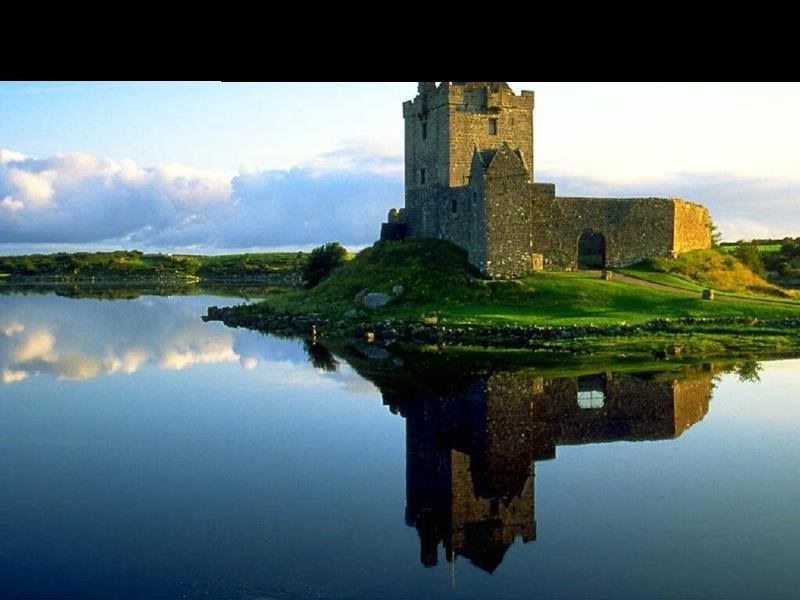
Ok... next Castle in my roadtrip:
Cardiff Castle
Cardiff Castle in Wales was founded by the Normans in 1091, on the
site of a Roman fort whose remains can still be seen. The castle's
most famous occupant was Robert, Duke of Normandy, who was
imprisoned there by his younger brother, King Henry I of England,
from 1106 until 1134. In 1158 it was the scene for a daring
kidnapping carried out by one Ifor Bach (Ivor the Little). The
Welsh took it again in 1404, under Owen Glyndwr. In 1488, it came
into the possession of Jasper Tudor.
The Castle fell into the possession of many noble families, until,
in 1766, it passed by marriage to the Bute family. The 2nd Marquess
of Bute was responsible for turning Cardiff into the world's
greatest coal exporting port. The Castle and the Bute fortune
passed to his son John, the 3rd Marquess, who by the 1860's was
reputed to be the richest man in the world
From 1866 the 3rd Marquess employed the genius architect William
Burges to transform the Castle lodgings. Within gothic towers he
created lavish and opulent interiors, rich with murals, stained
glass, marble, gilding and elaborate wood carvings. Each
breathtaking room has its own special theme, including
Mediterranean gardens and Italian and Arabian decoration.
The castle was later given to the city of Cardiff by the 5th
Marquess of Bute. It is now a popular tourist attraction, and
houses a regimental museum in addition to the ruins of the old
castle and the Victorian reconstruction.
Paranomic view of the exterior walls and 19th centuary
Entrance:

Plaque commemorating the giving of Cardiff Castle to Cardiff City
Council by the 5th Marquess of Bute:

The Great Norman Keep within Cardiff Castle:

The later medival-gothic style victorian-era additions by William
Burges: