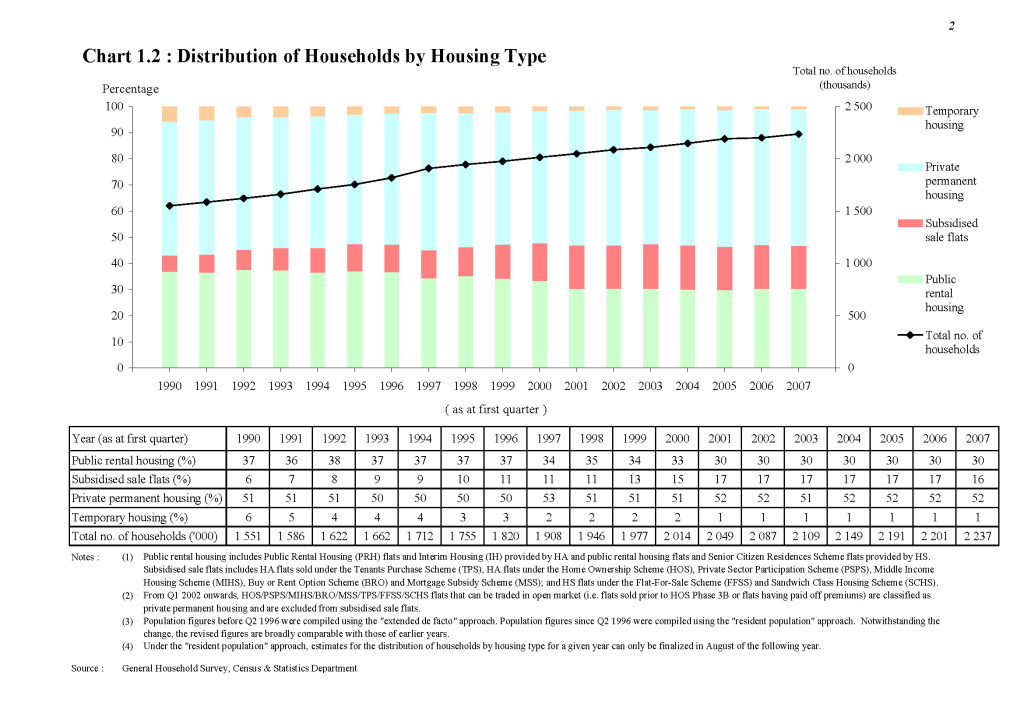
Actually you ask any Hong Kongers if they would wish for a
social security scheme, or the risk and returns on investment like
stock and shares. They will tell you the only sure way of making
money in HK is property, the rich getting richer, the poor
poorer.
If you don't even have a min of $60,000, how to talk about a
diversified stock porfolio. You need the money for your old age,
that is the basic purpose of CPF.
Not everybody is able to gain higher returns than the 3.5%
return on your CPF money. and again, sometimes you win, sometimes
you lose. The CPF board use the money pooled to diversify and gain
higher returns, they then pay the 3.5%, it is just like the banks
and financial institutions, just that the criteria may be different
the ways they are run.
People who use CPF money to buy house mostly make money, those
who buy stock and shares lose money. Whether it is CPF or your own
cash, it is prudent to keep a min 棺材本。
Obviously you have never heard of mutual funds in your
decades of intellectual existence? 
Diversification can simply be done by government, because they
have a collection of CPF member's funds, it's at least $150
billions, that is more than enough for diversification in many
markets. But ask yourself, why is the government not doing this
service for CPF members, instead it chose to pay a flat rate of
3.5% while profiteering from the excess 7%? Maybe it's because the
government is structured more like a business rather like those of
Hong Kong which is more of an administrative function.
I agree that a small minority may not have the financial
intelligence to reap 3.5% on their own without any financial
advice, that is where the government comes in by giving financial
advice to these inexperienced investors, believe 3.5% is not alot
of returns by any comparisons, it is not even able to make up for
the cost of inflation. I believe that the majority of mutual funds
has a return higher 3.5%.
Are you sure folks who use CPF money to buy house mostly make
money given the current economic climate?
Why has housing prices increase in these few years? It's not a
result of internal growth, but rather a result of government's
policy to increase the population to 6 million, more population
means more competition for resources like housing, that's why
housing has skyrocketed these current few years. Is such a growth
sustainable in the long run? I guess not, like any system
exponential growth will be followed by a decline.