Taken from wiki:
- In formal education or schooling
(cf. education), a curriculum is the set of
courses,
course work, and content offered at
a school
or university.
Taken from yourdictionary:
- A fixed series of studies required, as
in a college, for graduation, qualification in a major field of
study, etc.
Taken from wiki the defination of syllabus:
- A syllabus is an outline and summary of topics to be covered
in a course.
As u can see, the syllabus is part
of the curriculum. How can the exam criteria change the syllabus
and not the curriculum?
I believe the british administration got to do with the poor
education level of our pre independence generation because of they
didnt help much in educating the population.
I didnt say that the british administration did not
promote education in Singapore, i said that they
didnt emphasized as much
importance as the post independence
government. Just look at the amount of government aid schools
at that time as compared to MOE's time for empirical
evidence.
I didnt say that the illiterates all belong to
the pre independence generation. I said that they may
consist of the bulk of the
illiterates.
And for goodness sake, the administration is different in hong
kong as compared to Singapore. We are on equal terms by name onli
because the governor is different and their policies are
different. The policy on education by the colonial masters in
Singapore may be different from the masters in Hong kong. I have no
details on hongkong's education policy during colonial time but by
understanding that there is a difference in administration
shows that there is no equal ground to compare.
I think your dictionary definitions are right, but they are not
complete. You only covered the learning areas (subjects) but not
the values (morals & ethics). Changes in the inclusion or
exclusion of topics in subject areas only changes the content,
the learning area still remains (English, The Arts, Health and
Physical Education, Mathematics, Science, etc).
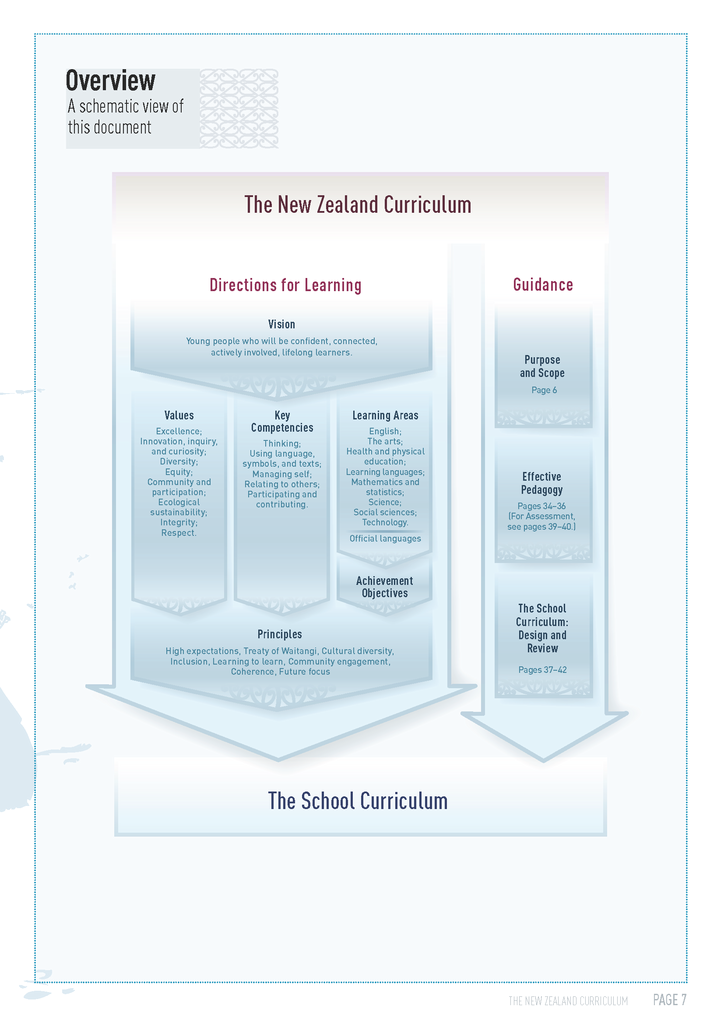
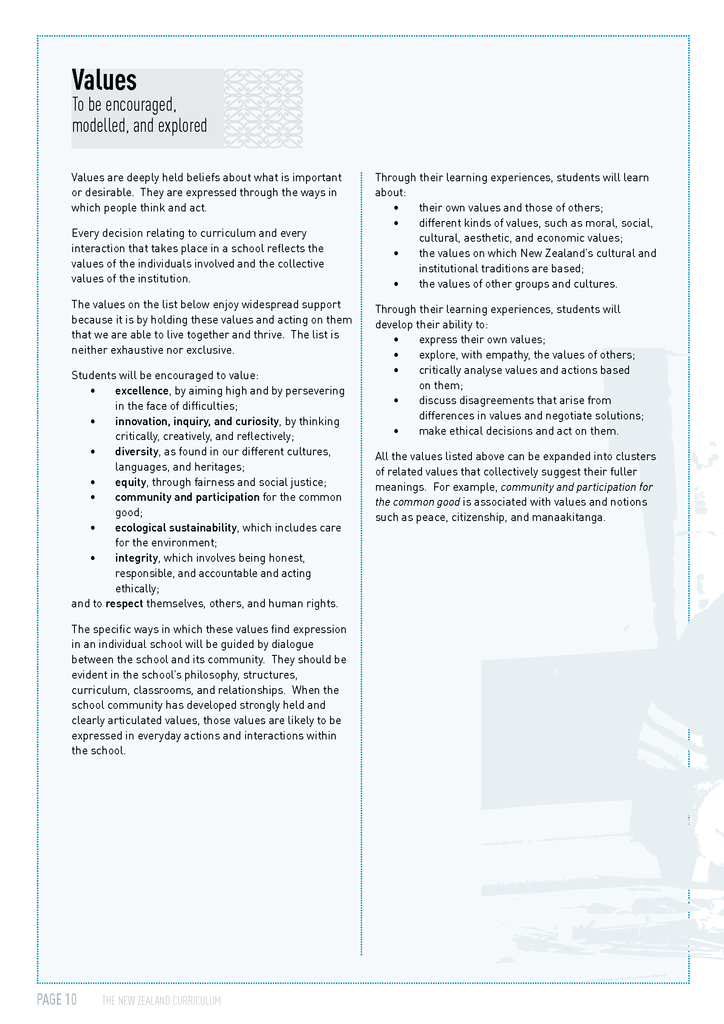
National Curriculum for New Zealand
Ok. Then what makes you think that the British "didn't
emphasized as much importance" of education? I do not have
the statistics for the number of schools per population for the
British period and MOE period, perhaps you could be so kind as to
provide me with this information which you have obtained.
The growth in schools now as compared to the past was a result of
population growth, more population therefore more schools.
Well, your guesstimate of the pre-independence
generation making up the bulk of illiterates is
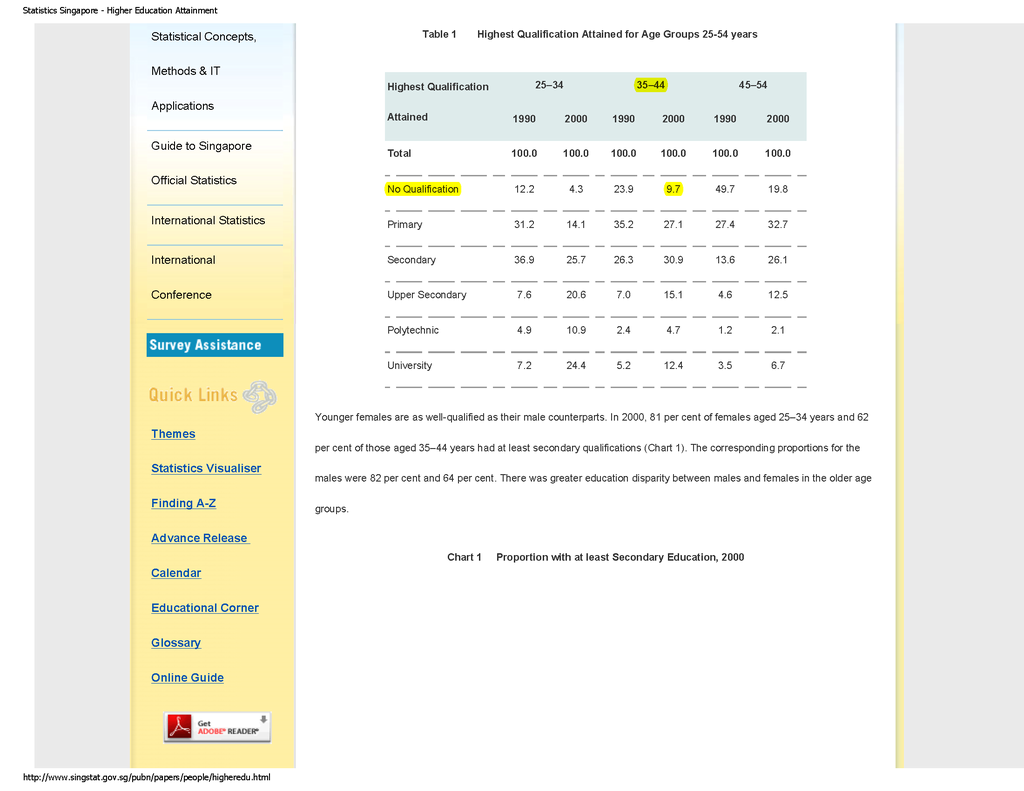
wrong. Singapore Statistics has provided
figures for the components of the highest educational
attainment with age group. The post-independence
generation illiterates (ages 35-44) makes up about 9.7% of the
total population of Singapore in the year 2000. While
those (post-independence generation) with primary school
qualification make up 27.1% of the total population in the year
2000.
http://www.singstat.gov.sg/pubn/papers/people/higheredu.html
Yes the British administration is different from the MOE's
style; therefore doesn't this prove that the British Education
system is far superior to MOE education system. Both Hong Kong and
Singapore are quite similar, Singapore adopted MOE system whereas
Hong Kong stayed they course with the British system till 1997.
Hong Kong ended up with higher adult literacy rate than
Singapore.
