First of all, I am not sure if Liquified Natural Gas is the same as
Natural Gas.
I did some research in Wikipedia, it said
The natural gas fed into the LNG plant will be treated to
remove water, hydrogen
sulfide, carbon dioxide and other
components that will freeze (e.g.,
benzene) under the low
temperatures needed for storage or be destructive to the
liquefaction facility. LNG typically contains more than 90%
methane. It also contains
small amounts of ethane, propane, butane and some
heavier alkanes. The purification
process can be designed to give almost 100% methane.
Second, the link you provided gives the pricing formula, after
calculating the prices, you need to plot on the graph.
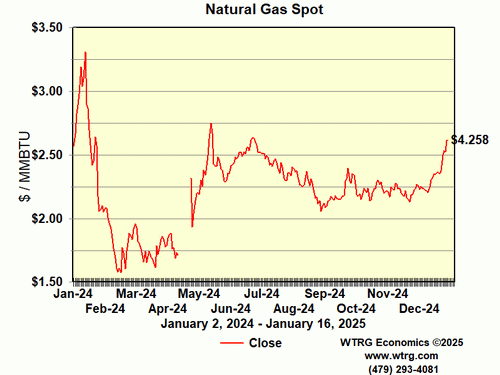
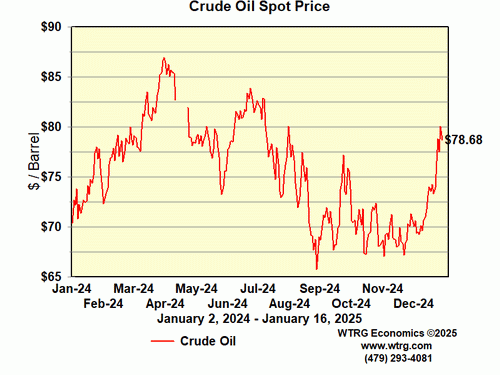
The 2 graphs you showed us clearly has no correlation at all,
when price of oil is going up, the price of natural gas was going
down.
What kind of correlation is that?

Liquefied natural gas or LNG
is natural
gas that has been converted to liquid form for ease of
storage or transport. Liquified natural gas takes up about 1/600th
the volume of natural gas at a stove burner tip. It is odorless,
colorless, non-corrosive, and non-toxic. When vaporized, it burns
only in concentrations of 5% to 15% when mixed with air. Neither
LNG, nor its vapor, can explode in an unconfined environment.
My guess is that you only took elementary maths in school, thats
why you cant see the coorelationship in both. Maybe to you,
everything has to be a straight line graph or else it doesnt make
any sense.
And btw, LNG and Natural Gas are the samething, they are only in
different form. one is gas while other is liquid. And you can also
include your fart as natural gas if you want to argue that they
have no coorelationship.