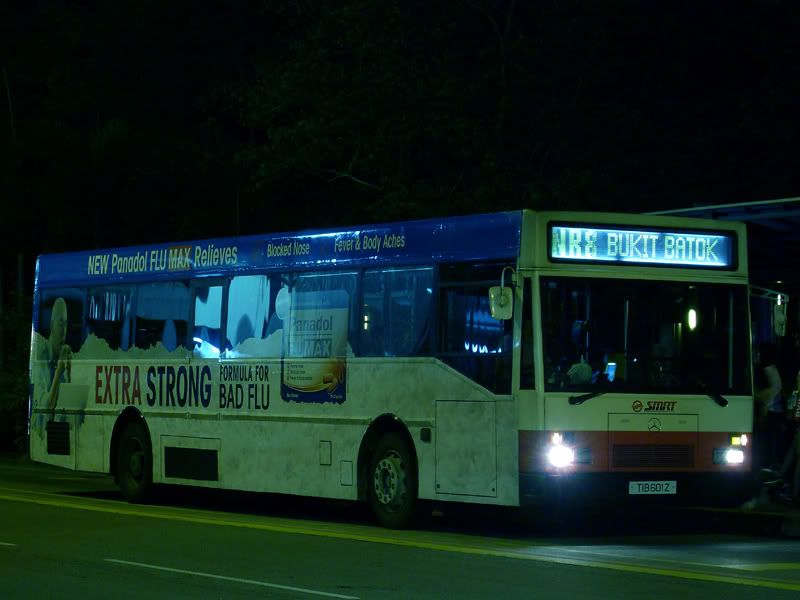
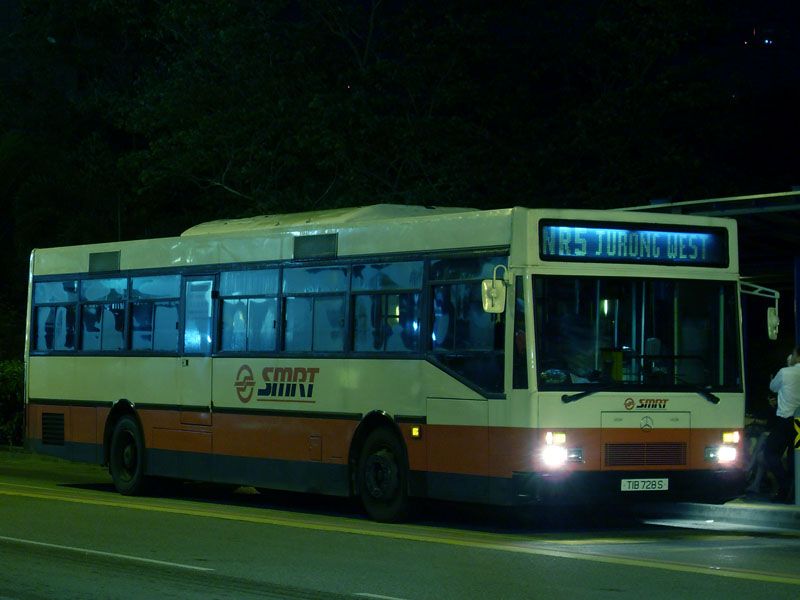
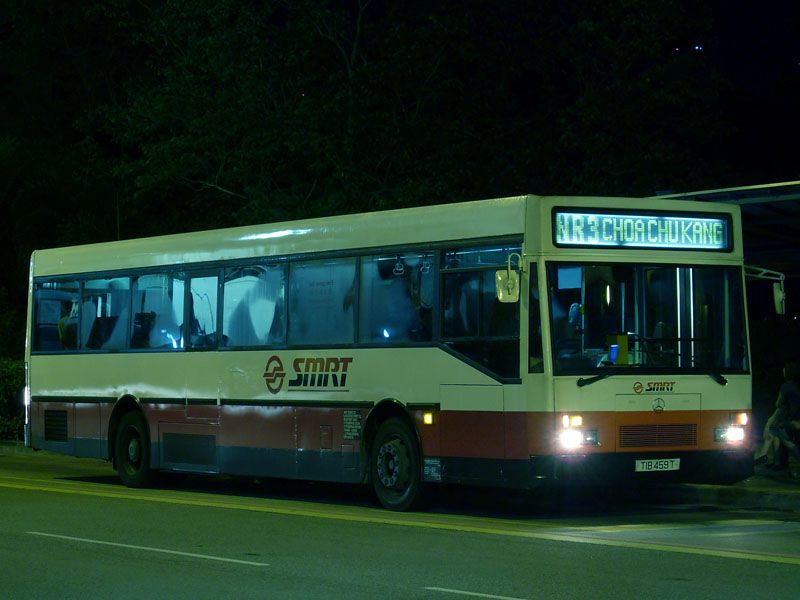
the three
basic camera settings (Night shooting tips
below!)
Metering>
> of course setting up the camera by assist of the exposure
meter (at side of your screen) is takes a few secs to do.
if you really want a fast shot (NOW!) immediately dial to
Program mode and chuck out a shot at exp +/-0
- Metering takes some time. even for me. clusmy fingers i
have..lol
remmeber your camera lens is your camera's window to the world.
take good care of it..and understand about it below
ISO
This is the Sensitivity of your lens. This is tied with the CCD
(the digital sensor in your camera) the CCD is sort of like a ECU
component of bus. only diff is it just sense light and converts it
to digital pcitures within the camera. it is not a lens
component
ISO is the sensitivity. the higher it is, the harder your camera
works to get light in while picture conversion. but the harder it
works, the more noise (interference) comes in.
noise is usually made non observable by bright lighting. So
high ISO cna be used in bright lighting more more
sensitivity. Eg: I use ISO 200 in bright sunlight
sometimes.
When dark conditions and you use high ISo, noise appears. I seldom
use high ISo at night unless i ndeed to. high ISo at night is sued
to allow for a high shutter speed or ard 1/40 for interior pics.
etc
ISO is used to make your pictures brighter. the higher the ISo, the
brighter it is.
NEVER go beyond ISO 200 when using a Canon PWS
----------------------------------------
Aperature
unit of measurement - F Stop. Eg (F stop 2.6 is expressed as
F/2.6.
the aperature is a lens component. it controls how much sunlight
gets into your lens. The bigger the aperature, the more
sunlight comes in. the highest aperature value is my
default setting F/2.6.
Aperature values are adjusted to compensate for bright sunlight.
too bright close the lens a bit to allow less sunlight so as to not
overexpose the pic.
Eg: is et F stop to F/4.0 with Shutter 1/800 when shoot in
bright day.
Some others may use F/5.6 with 1/640 dpending on their style of
use.
Shutter
Shutter is not the Tha Horror Movie which i like...hahah
Kidding
Shutter is how fast the lens snaps the pix. A click sound is
heard when u snap the picture. how long you want the shutter to
wait then move and capture the image, you please st. Fast
shuttter or slow shutter? Of course the longer the wait (long
shutter was set) , the more light is drawn into the CCD (not the
film unless is film camera hahahah)
Fast shhutter
For moving objects or very bright sunlight day.
Eg: Shoot moving bus in cloudy conditiion
adjust shutter 1/800 F/2.6 ISO
80
Slow shutter
For dusk shot of non moving object or interiior shot or
dark night shot
Night shooting tips
Eg: Dark night shot
Set shutter 1/4 or if you dare 1/3 ISO 80 F/Stop
2.6. stable hands n feet and shoot. This case your shutter is left
open for 1/4 of a second. usually this translates to a 1 to 7 secs
timed exposure. you will need to be stable for 7 secs. ouch. muscle
ache.
Tripod useful now. as if stand too long in position msucle
ache..hahaha kidding tripod stablises ur camera.
this form of photography at night is called Timed
exporeusre
or timex
___
use your Image Stabilizer!
The canon PWS has a image stabilizer called IS. This is useful
when shooting at night.
you can still shoot night pix with normal fast shutter
response speeds. Find a place with some light and still set
camera to 1/4, the click should be fast and pix caputred like u
shoot datime pix. if not fast up the shutter to 1/6 lor..provided
the pix dun get too dark. try to even out the shutter till u see
the exposure meter read +/-0. . Take 3 pixs n quick sucession
making sure the IS motors work each time u click. (Can feel the
motor move one)
2nd or thrid shot will likely be clear
the key is three quuick succession shots. buses move fast so u
yourself have to snap fast.
NEVER USE FLASH AT NIGHT.
settng all three settings:-
U need to play ard the 3 settings (ISO, Aperature, Shutter)
in order to get a exp -/+0shot. Always remember to keep
F stop High, ISO low as default. Only change those
when need to.