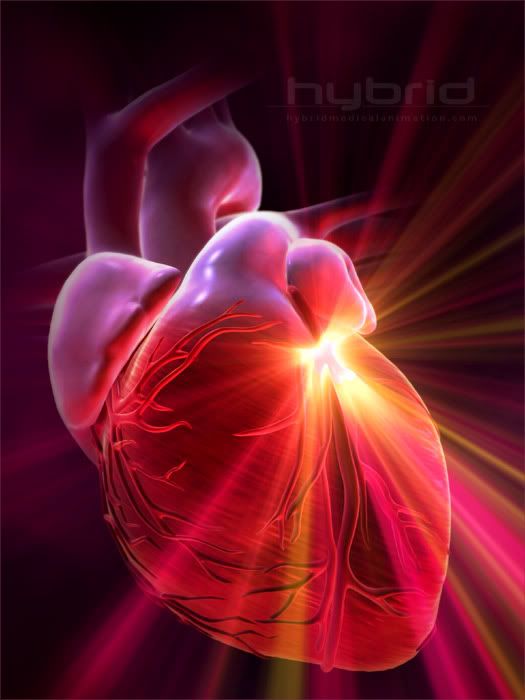
heart
matters
The World Heart Federation says heart disease is the
world's leading cause of death. It's responsible for one in every
three deaths, and 80 per cent of these deaths occur in low-and
middle-income countries.
Despite these discouraging
figures, with medical science making rapid and continued progress
with new diagnostic and treatment methods, it is heartening to know
that heart disease is preventable and treatable.
Recognising the health risks early is
important as preventive measures can be taken. The presence of risk
factors increase your likelihood for heart disease. Some of these
factors, such as age, cannot be changed while others may be
modified.
By understanding and managing these
factors, you can lower your risk for heart disease. The factors you
cannot change are age, gender, ethnicity and family
history.
THE RISK FACTORS YOU CAN MODIFY
High blood cholesterol
Low-density lipoproteins (LDL) or "bad "cholesterol increase the
build-up of plaque in the arteries, while high density lipoproteins
(HDL) or "good" cholesterol removes cholesterol from the cells
before they are deposited as plaque in the arteries. This build-up
causes the arteries to harden, such that they become narrowed and
blood flow to the heart is reduced or blocked.
Modify: Keep your total cholesterol level as low
as possible - do check your cholesterol levels regularly. The
desirable level depends on your pre-existing risk for coronary
heart disease.
High Blood Pressure
High blood pressure
(hypertension) is one of the major risk factors for coronary heart
disease and cerebrovascular disease, such as stroke. Left
untreated, hypertension can also cause heart failure or lead to
rupture of blood vessels in the brain. You may not experience any
symptoms but in the long-term, it can lead to the damage of various
body organs, including the heart, kidney and blood vessels.
Modify: Check your blood pressure at least once a
year. Marginally elevated blood pressure may normalise when you
lose weight, exercise more and reduce salt intake. If these
measures are not successful, drug treatment may be needed. Once
medicine has started, you must continue with the treatment,
complemented by a healthy lifestyle.
Diabetes Mellitus and Abnormal Blood Glucose (Sugar)
Levels
Diabetes mellitus is a chronic illness, and people with it are two
to four times more likely to develop coronary artery disease and
stroke. lt is often associated with other cardiovascular risk
factors, like high blood pressure and obesity.
Modify: Maintain control over the amount of
glucose in your blood. While maintaining a healthy weight, a
balanced diet and regular exercise can prevent the onset of the
disease.
Menopause
Natural oestrogen may help protect women against heart disease, but
as oestrogen declines (as in menopause), it may contribute to a
higher risk of heart disease and stroke. After menopause as well,
women tend to have higher LDL cholesterol levels, increasing
the risk of developing coronary heart disease.
Modify: Management of these risk factors becomes
more important. However, hormone replacement for women who have
undergone natural menopause does not prevent heart disease, and is
not indicated for prevention of heart disease.
Obesity and excessive weight
People who have excess body fat, especially around the waist, are
more prone to developing heart disease and stroke even if they have
no other risk factors. Excess weight increases the strain on the
heart. It also raises blood pressure and LDL and lowers HDL.
Modify: Weight loss leads to a decrease in blood
pressure, blood glucose and blood cholesterol levels.
Lack of physical activity
Those who are inactive put themselves at risk of heart
disease.
Modify: If you want to be active, start at a slow
pace to avoid muscle injury. People with known coronary artery
disease or those above 40 years old who have been inactive should
seek medical advice first.
Smoking
Smokers have two to three times
the risk of non-smokers for heart disease. Smoking leads to stroke,
heart attack, high blood pressure, blood vessel disease, cancer and
lung disease.
The carbon monoxide in the smoke lowers
the amount of oxygen carried in the blood to the rest of the
person's body; the cancer-causing substances are deposited in his
airways and lungs.
Modify: Don't start.or if you are already a
smoker, stop.
Stress
Blood pressure goes up momentarily when you get angry, excited,
scared or are under physical or emotional stress. This makes the
heart pump faster and harder, causing palpitation, insomnia,
headache and digestive problems.
Modify: Learn to manage your stress. If you are
constantly stressed over long periods of time, you may be at a
higher risk of developing high blood pressure and even heart
disease.
are
you in the high-risk group for heart disease?
AGE: Age increases a person's susceptibility to heart
disease.
GENDER: Men are three to five times more likely to have coronary
heart disease than women. However, the risk for women increases
after menopause. By about five to 10 years following it, their risk
increases to the same rate as men.
ETHNICITY: Compared with Chinese, South Asians (Indians, Sri
Lankans, Pakistanis etc) are three times, and Malays are two times
more likely to suffer from coronary heart disease.
OBESITY: People who have excess body fat, especially located around
the waist, are more prone to developing heart disease and stroke
even if they have no other risk factors. Excess weight increases
the strain on the heart. It also raises blood pressure and "bad"
cholesterol, and lowers "good" cholesterol. It is also associated
with the development of Diabetes Mellitus.
FAMILY HISTORY: You can be at a higher risk of having heart disease
if your immediate family members (parents, siblings) have a history
of premature heart disease. If there is a family history of heart
disease, control your other risk factors too.
TIPS ON
PREVENTING HEART DISEASE
Eat a healthy diet
Avoid foods high in cholesterol and saturated fats such as animal
fats, whole milk products, eggs, red meat such as beef and lamb and
coconut milk. Instead, choose lean meat, fish and low-fat dairy
products and increase your intake of fruit and
vegetables.
Exercise regularly
Exercise at least three times a week to prevent heart and blood
vessel disease. Although there are many kinds of physical
activities, brisk walking is one of the best. Check with your
doctor to see what's suitable for you.
Stop smoking
Heart disease is found to be more common in smokers than in
non-smokers. Smoking is a big contributor to heart disease risk and
in addition high-risk group also causes heart disease to occur
earlier, approximately seven years on average. To reduce your risk
of getting heart disease, stop smoking.
Watch your weight
Maintaining a healthy
body weight reduces the risks of heart disease. To give you a good
idea of whether you are keeping a healthy weight, your Body Mass
Index [BMI = weight (kg) / Height (m) x Height (m)] should not be
more than 23. The waist to hip ratio is another useful
indicator.
Take it easy
To manage stress, engage in
regular exercises. Adopt a balanced approach to work and family
life. In addition, relax whenever possible to ease the tension
whenever feelings of stress arise since stress may aggravate heart
disease.
are you in the
high-risk group for stroke?
It's not surprising to learn that those who smoke
are likely candidates for stroke. Also at risk are
those who are obese and, disturbingly, those
who are on oral contraceptives, as new studies
show. Of course, the combination of these
factors increases your chances even
more.
The most
vulnerable age group for women, mainly due to oral
contraceptives as well, is between 35 to 44 years
of age.
But
does that mean that if you're slim, healthy and
below 35, do not smoke and are not on the Pill,
you will not get a
stroke?
The
reality is that just about anyone can get a
stroke. Rupture of aneurysm (weakening in the
wall of blood vessels) resulting in brain
haemorrhage (bleeding in the brain) may
occur at any age.There is cause for alarm if you
experience the sudden onset of one or more of
these symptoms:
• unilateral
(one-sided) weakness,
• difficulty with
speech
• severe headache (especially if it's
different from any you've had)
and
• loss of vision. If you do suffer a
stroke, which is not likely for most of us, the
truth is that life continues, albeit at a new
baseline, as stroke is a leading cause of
disability and handicap in
adults.
To
lessen your chances of a stroke, practise good
lifestyle habits, say doctors. Many patients fear
disability and value quality of life, yet they
often fail to heed the doctor's simple advice;
such as to stop smoking, to watch what they eat,
and to exercise regularly.