SACRED
RELICS
The translation of the Sanskrit
Sarira literally means 'body', BUT in Buddhist usage most often
refers to the sacred relics found in the cremated remains of the
Buddha or of a Buddhist monk. If we are indeed "star stuff" even
before death we are cremated, that is, composed of the remains of
cremated stars. Witness the Crab Nebula above as the material from
the exploded star expands out to be reused somewhere by the
Universe again and again. Rebirth in its purest form.
After the death of Prince Siddhartha Gautama aka The Buddha,
Shakyamuni Gotama 2,600 years ago, following tradition, he was
cremated. Followers searched through his ashes and found four teeth
and some finger bones. His relics were distributed and later
redistributed by Emperor Asoka, who built special stupas ( Chinese:
"pagoda" ) to house them for worship. Of the finger bones, only
one, shown in the graphic above, is known to be in existence
today.

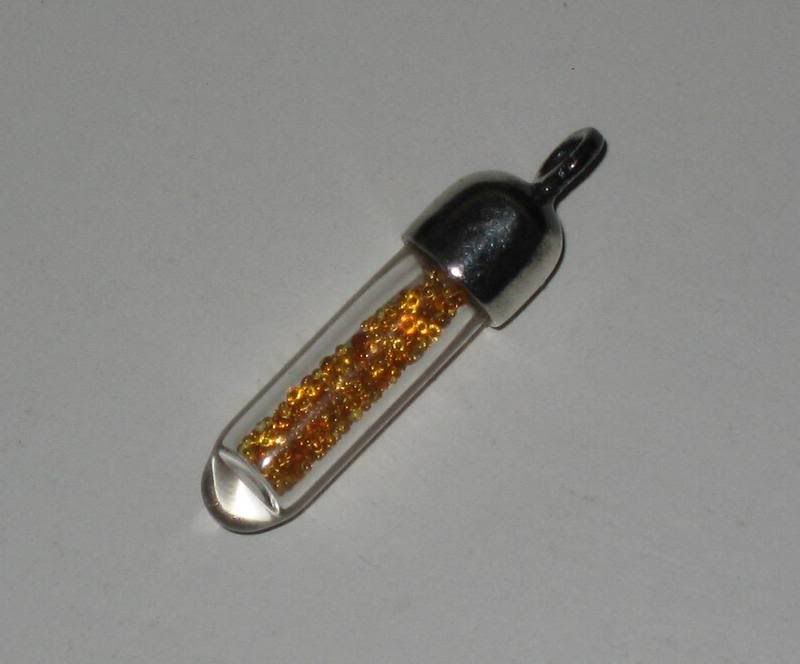
Often in the cremated remains of monks who have led extremely pure
lives are found Sarira of various colors and sizes that look like
effulgent pearls.

Chan Master Hsu-Yun related this experience he had with a relic of
the Buddha at Asoka Monastery:
". . . Everyday when visitors
came to have a look at the Sarira, I always followed them. The
visitors' opinions about the relic varied greatly. I had seen it
many times; at first it looked to me as of the size of a green bean
and of a dark purple color. In the middle of the tenth month, after
I had paid reverence to the Mahayana and Hinayana tripitakas, I
went again to look and it was the same size as before but like a
brilliant red pearl. As I was impatient to see how it would
transform itself, I again prostrated myself and felt pains all over
my body; the Sarira was bigger than a yellow bean, half yellow and
half white. I then realized that its size and color varied
according to the visitors sense organ and its field. . . ."
(Empty Cloud: the Autobiography of Hsu Yun)
Bones have played an important roll in various ways throughout
Buddhist history. It is not known generally, but Aurispacy, the
casting of bones, called Divination, has a long, albeit, early,
history in the Tao and the beginnings of Buddhism. The Chinese
people believed that certain bones were able to answers man's
questions and predict the future. Particularly in the Han Dynasty
were fortune telling customs utilized by laymen and nobles to
fortell everyday concerns as well as more substantial matters and
aptly demonstrate numerous beliefs of the
people.