Cigar Guy: Henry may not be the saviour that the
fans think
It was all looking so
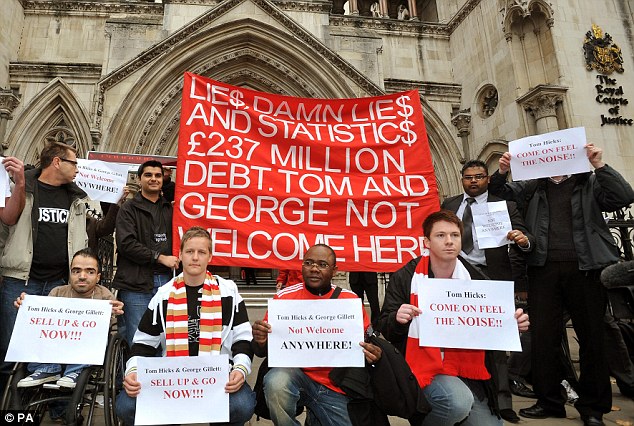
good. Tom Hicks and George Gillett were being hustled to the
exit, Liverpool fans were changing their 'Yanks Out'
banners to 'Yanks In' after some nifty needlework. There was talk
of money, of revival, of new hope. Then we saw the
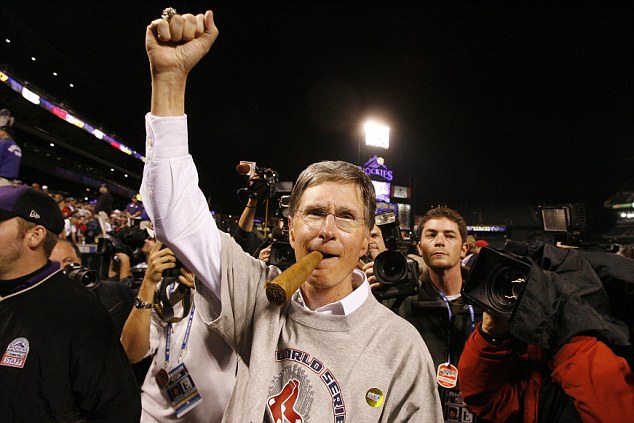
cigar.
John W Henry, the supposedly
shy, understated American 'saviour' of Anfield was pictured with
what appeared to be a mahogany chair leg poking out of his mouth.
The caption claimed this was actually a stogie of some sort, not a
dismembered item of furniture, but I still have my doubts that
anyone can wave this much tobacco around in public without
contravening some Customs law relating to personal use.
Having had their fill of
yee-haw blowhards, Anfield had wanted a sober billionaire. But from
this image it seemed they had landed another Cigar Guy; a smug,
Wall Street share-trader armed with precisely the kind of
'financial expertise' they did not want. An oversized cigar is
always a giveaway.
'A fire at one end and a fool
at the other,' is how these smokes are defined. And although Henry
is unlikely to be classified as a fool in the immediate future
(give it a season), there has barely been a cigar smoker worth a
spit since Sir Winston Churchill.
In fact, if I may generalise
for a moment here since it saves time, I find cigar smokers are
inconsiderate, puffed-up jerks that light their clumps of
saliva-soaked weed entirely oblivious to the fact that the noxious
cloud they produce smells as if they have set their pubic hair on
fire. Cough.
Anyway, back to Mr Henry. Is
this cheroot chomper really the character who is going to pander to
those Liverpool
fans that cry their club is 'not
a business, but a way of life' at every protest march and street
demonstration? I suspect not.
Right now Henry's main selling
point is that he is most definitely not Hicks or Gillett, which is
a recommendation in itself. But it is not enough.
Liverpool's chairman Martin Broughton has certainly
been happy to kick the tyres of his new American ride and say
'we'll take it', without elaborating greatly on whether he has
poked around under the bonnet.
But because of his endorsement
and some novelty value, Henry has received a fairly adoring press
so far, which is hardly surprising since most of us had never heard
of the bloke until this week. And so snippets from Wikipedia (see
paragraphs 12, 16 and 18) were woven into some friendly spin pushed
by 'insiders' at Liverpool.
This was accompanied by some
risible PR guff. We heard how the 61-year-old wooed his rather
pretty wife, 30 years his junior, with a succession of yacht and
helicopter trips and romantic European getaways. Really? I'd say he
probably had her at, 'Hello - I'm worth £600million'.
These soft-focus portraits
were designed to show Henry as a 'caring entrepreneur', a besotted
Anfield suitor ready to lavish just as much love and cash on his
new club.
Yet Henry's history shows
something entirely different. He is one of the world's great
sporting magpies. And he will be just as determined to cash in on
his cunning plan as Hicks and Gillett were on the day they rolled
into Merseyside wearing red and white scarves.
Henry is not buying
Liverpool because of a deep-rooted love of football. He
doesn't deal in sentiment. In fact his commodity trading business
boasts of making 'mechanical decisions' that 'lock out human
emotions'. That doesn't sound like a teary rendition of You'll
Never Walk Alone, does it?
He swooped on
Liverpool because the club is desperately weak, both on
and off the pitch. A series of potential suitors from
Dubai to China have decided to turn their backs, so Anfield
has essentially been there for the taking by anyone with the money
to gamble on making a fast buck.
Dave Checketts, the owner of
American MLS champions Real Salt Lake, had it right. He said: 'Most American
owners see the Premier League as a chance to multiply their wealth.
They understand the passion that exists for football here but see
it strictly as an opportunity to invest in - and then exit from.'
Quite.
Henry previously tried to buy
the Orlando Magic, Miami Heat and the New Jersey Nets basketball
teams. He had a stake in the New York Yankees baseball franchise,
fronted the investment for the Colorado Rockies, then bought the
Florida Marlins and dropped them to buy the Boston Red Sox. He also
bought a NASCAR motor racing team, possibly to ensure he is always
ready to make a quick getaway from these deals with the loot. So we
can see where his loyalties lie - his wallet.
Henry is not buying
Liverpool with the same motives as Roman Abramovich
at Chelsea
or Sheik Mansour at
Manchester City. These billionaires have used their clubs as
hugely expensive vanity projects. For Henry and Co, it is just
another commodity deal.
The question is will this
enable Liverpool
to compete? Although his business
is money, he is not a billionaire himself. He trails in behind the
big hitters of the Premier League. To put his £600m into
perspective, Henry has about half the wealth of Aston Villa's
American owner Randy Lerner. In fact, there are a dozen
billionaires in the Premier League with more financial
clout.
But Henry will finance the
Anfield deal through fellow investors at his company, New England
Sports Ventures. Nobody is yet sure if they have the capability or
even the collective will to be the generous Sugar Daddies
some Liverpool
supporters are hoping for. But
right now the majority of fans would settle for honesty, stability
and signs of a gradual improvement.
For his part, Henry says he
will cover the debts, has made no decision on building a new
stadium and is pledging 'an unspecified amount' on transfers, which
Broughton describes as 'sensible'. None of it would inspire much
more than a weary sigh on Merseyside were it not for the fact that
Hicks and Gillett were being kicked out, barring late legal
shenanigans.
But the amounts involved and
financial logic point to Henry arranging some kind of leveraged
buy-out of the club, a situation that may eventually prove to be
somewhat similar to the one Liverpool are in right now if there is
another economic slump. New owners, different bank loans, same
story a couple of years down the line.
Of course it could all work
wonderfully. As everyone knows, this has to be a better situation
than being run by two feuding bunglers plagued with debt. Henry is
also clearly astute and understands American sport. But is he the
owner who can put Liverpool back at the top of the English game? Right
now, I'd say it might be a case of close, but no cigar.