Victoria
Harbour
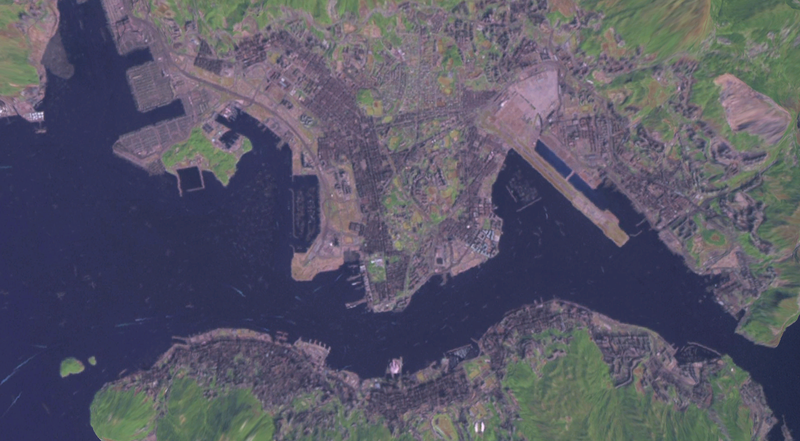
Victoria Harbour is a natural landform
harbour
situated between Hong Kong Island and
the Kowloon Peninsula in
Hong
Kong. The harbour's deep, sheltered waters and
strategic location on the South China Sea was
instrumental in Hong Kong's establishment as a British colony and
its subsequent development as a trading centre. Throughout its
history, the harbour has seen numerous reclamation projects
undertaken on both shores, but still retains its founding role as a
port for thousands of international vessels each year.
Long famous for its spectacular views, the harbour is a
major tourist attraction of Hong Kong. Lying in the middle of the
territory's dense urban region, the harbour is the site of annual
fireworks displays and its promenades are popular gathering places
for tourists and residents.

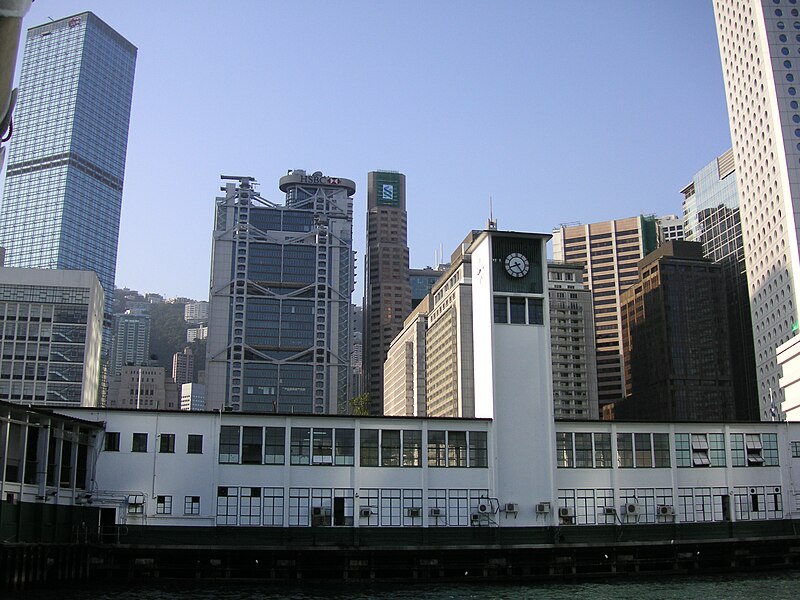
The Victoria Harbour is world-famous for its stunning
panoramic night view and
skyline, particularly in the direction towards Hong Kong
Island where the skyline of skyscrapers is
superimposed over the ridges behind. Among the best places to view
the Harbour is at the Victoria Tower on
the Victoria
Peak, or from the piazza at the Culture
Centre or the promenade of Tsim Sha
Tsui on the Kowloon side. Rides on
the Star
Ferry to view the harbour are also widely
popular.
As the natural centre of the territory, the harbour has
played host to many major public shows, including the annual
fireworks displays on the second night of the Lunar New
Year. These shows are popular with tourists and
locals alike, and the show is usually telecast on local television.
To add to the popularity of the harbour as a sightseeing location,
the government introduced a show dubbed A Symphony of
Lights, using use audio, lights and
pyrotechnics to introduce the city to its viewers every
evening.
Also recently opened, was the Avenue of Stars, built
along the promenade outside
the New World
Centre in Tsim Sha Tsui. Modeled on
the Hollywood Walk of Fame,
it honours the most illustrious people the Hong
Kong film industry has produced over the past
decades.
By the end of November every year, the outer walls of
buildings in the central business districts on both side of the
harbours are dressed with Christmas-related
decorations, and replaced with Lunar New Year-related ones by
January.