The Jeep is Colombia’s most iconic mode of transportation,
especially in the coffee growing regions where farming is an
integral part of life. These rugged vehicles are used by farmers to
transport massive loads of cargo as well as people between towns
located among the country’s hilly terrains.
Willys Jeeps were first introduced in Colombia in 1946 following
the end of Word War 2. The US Army had surplus Jeeps and parts from
the war, which they began to sell to the developing countries at
bargain prices. A large number of them were procured by the farmers
in the Quindío Department of western Colombia. Prior to the
introduction of the Jeep the main transportation in the mountainous
topography was mules, which lead people to call Jeeps "mulitas
mecánicas" or mechanical mules.
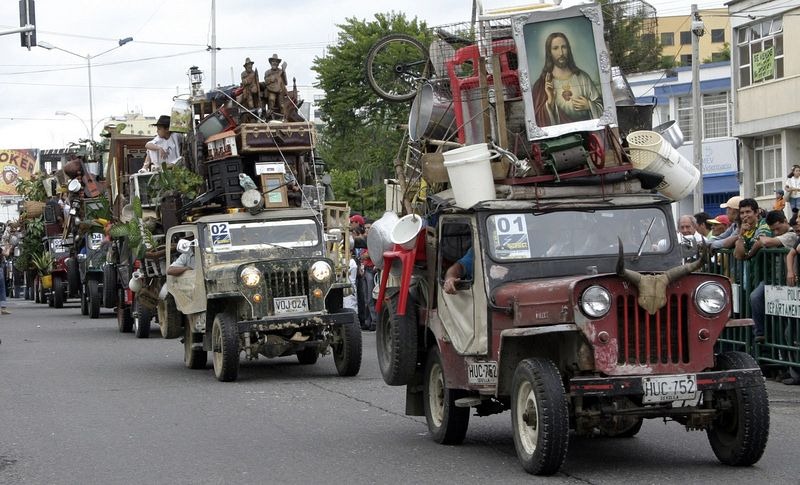
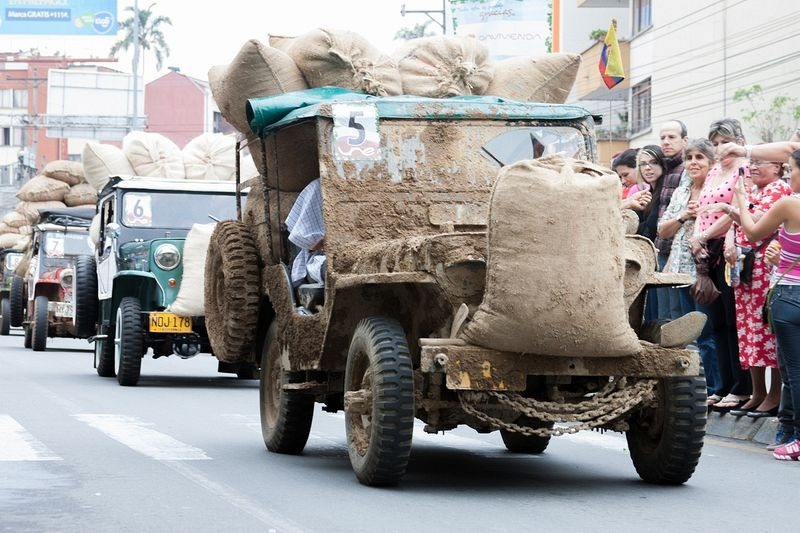
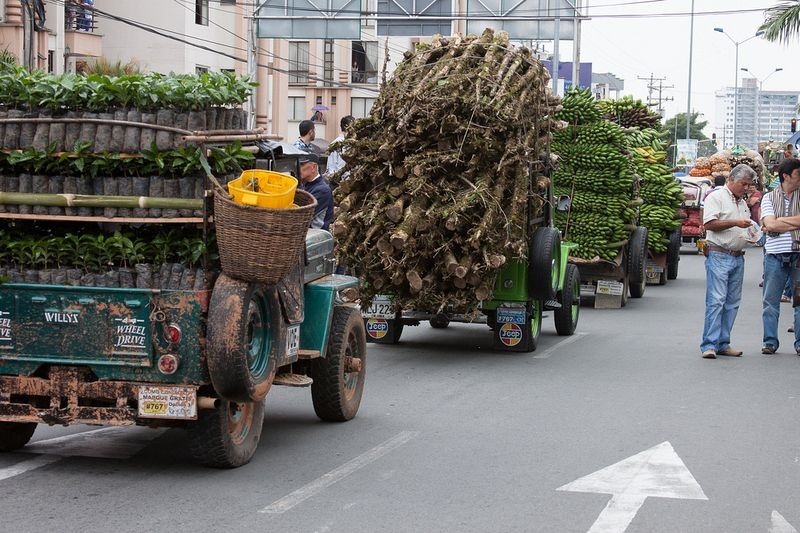
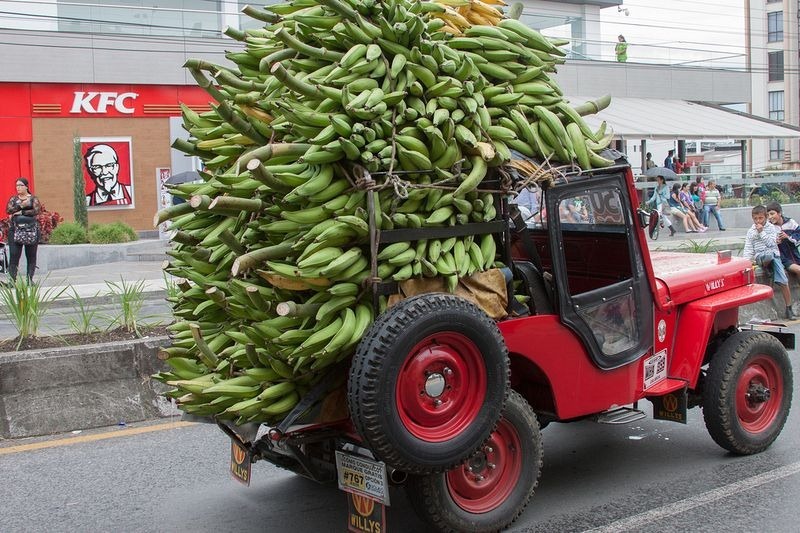
Willys are the coffee region’s workhorses. Because of the
vehicles’ robustness and versatile nature, they’re used to
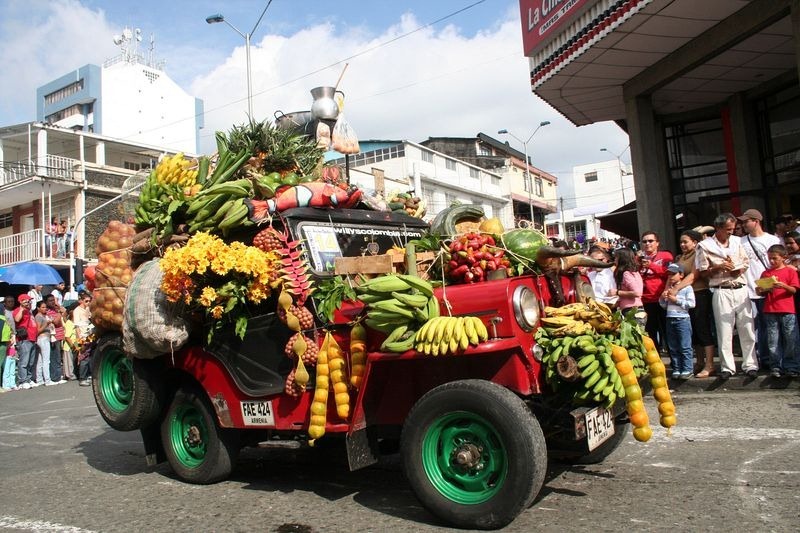
transport agricultural produce such as heavy loads of coffee beans,
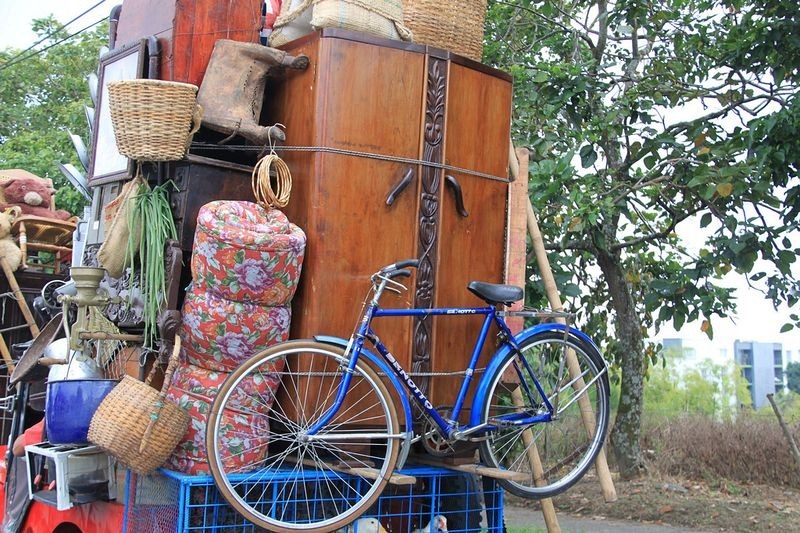
massive bunches of bananas, heaps of plantain, melons, milk jugs,
chickens, and even household items like mattresses and bicycles.
And they are always loaded to the top.
Not only can the Willy manage all this, but it can navigate
those steep hills in Colombia with ease. In some areas where there
is no electricity, the Jeep’s running engine is used to power water
pumps, and generators. The Jeeps, despite their age are still
functioning and many still have their original parts.
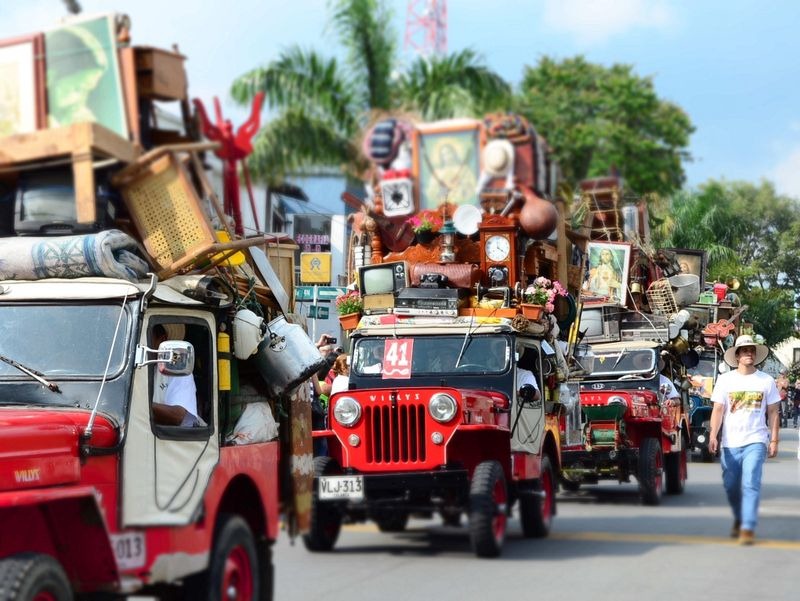
Every year, almost every small town in Colombia’s coffee growing
region organize a parade called Yipao to celebrate this iconic
vehicle. The word “yipao” means a fully-loaded Willy, and that’s
exactly how the festival is celebrated.
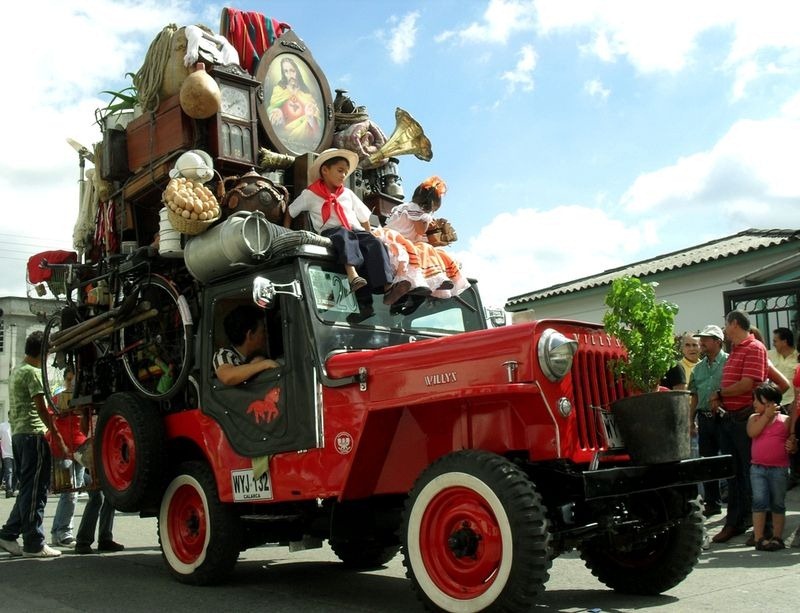
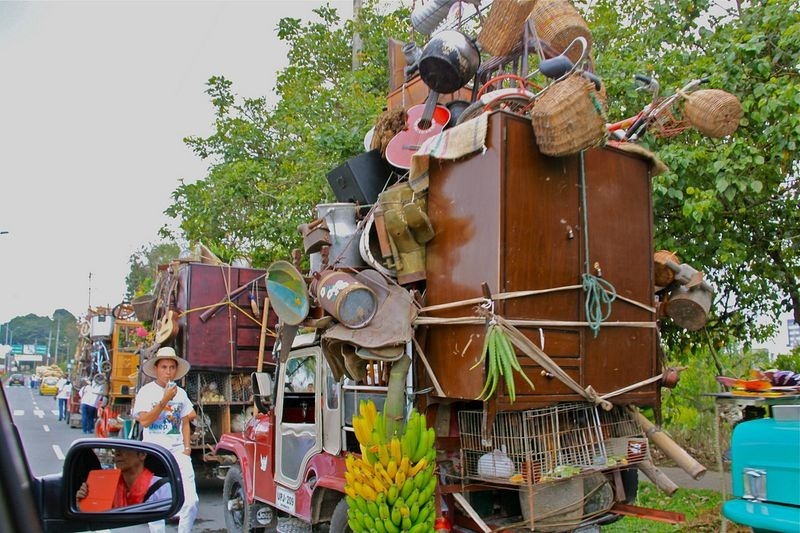
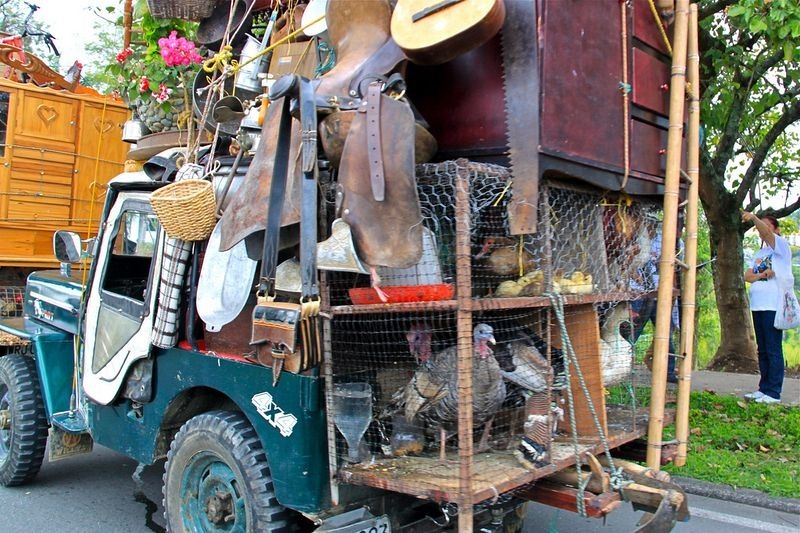
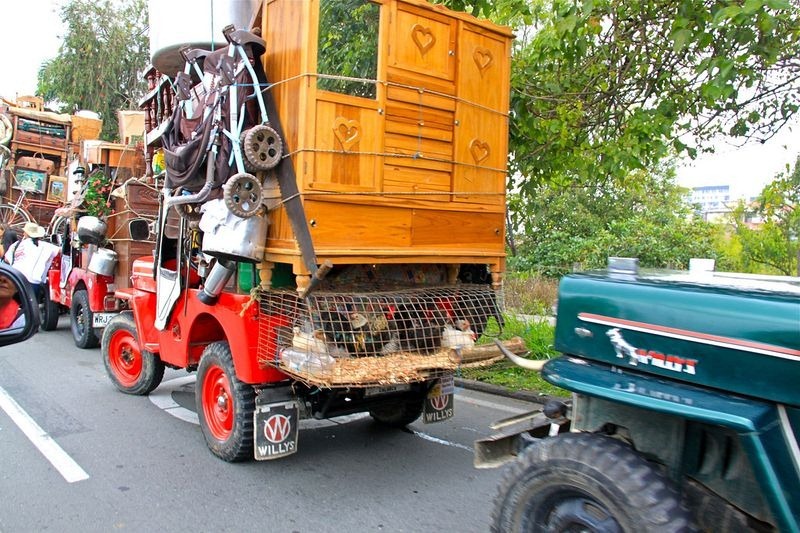
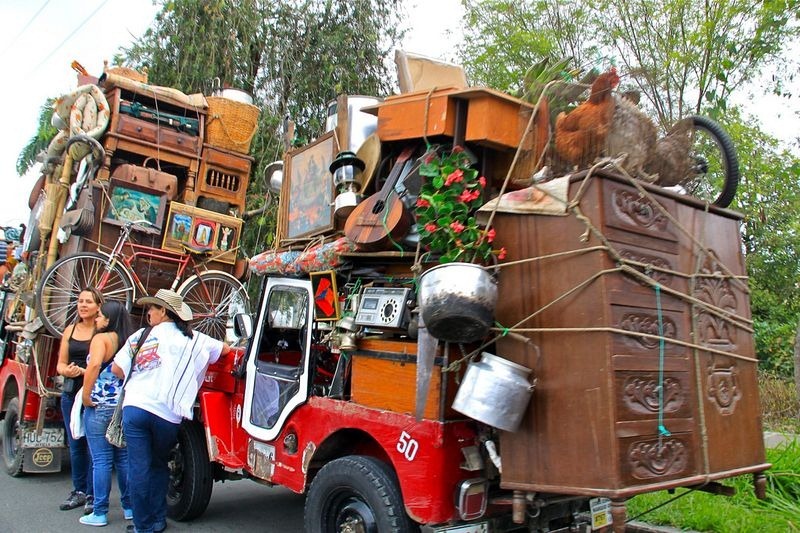
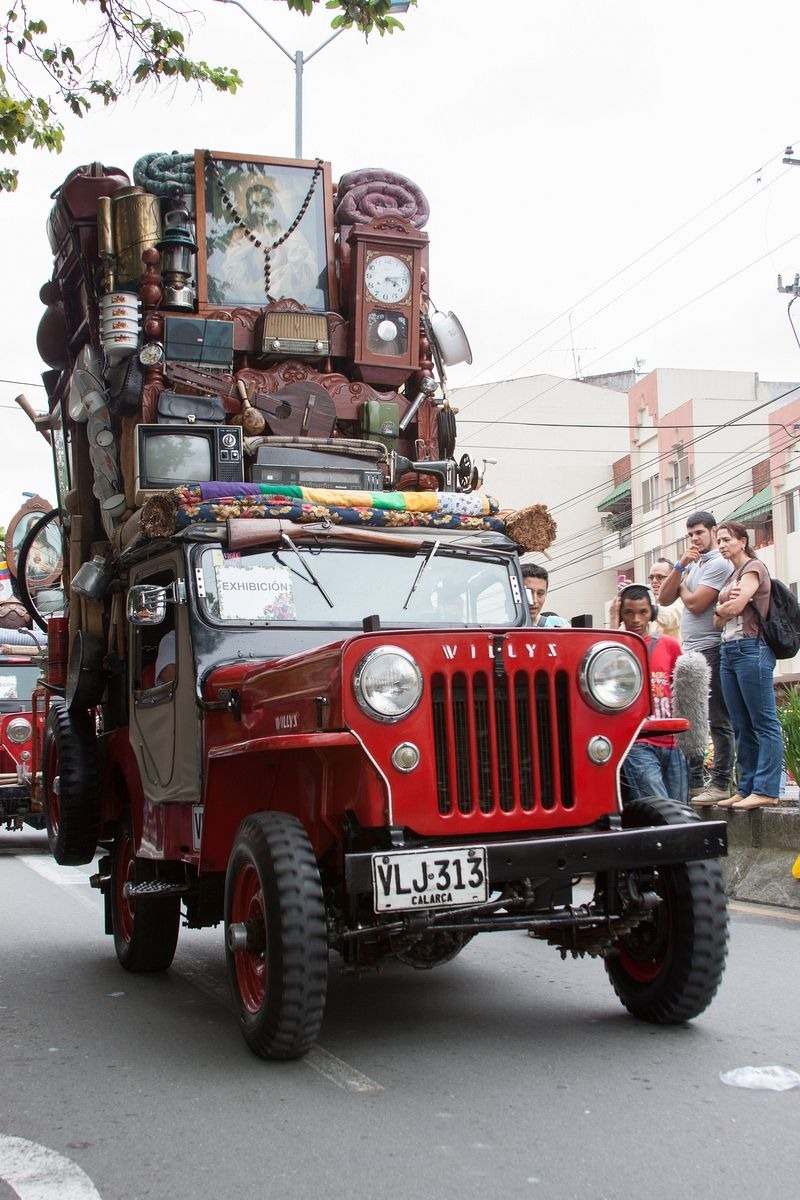
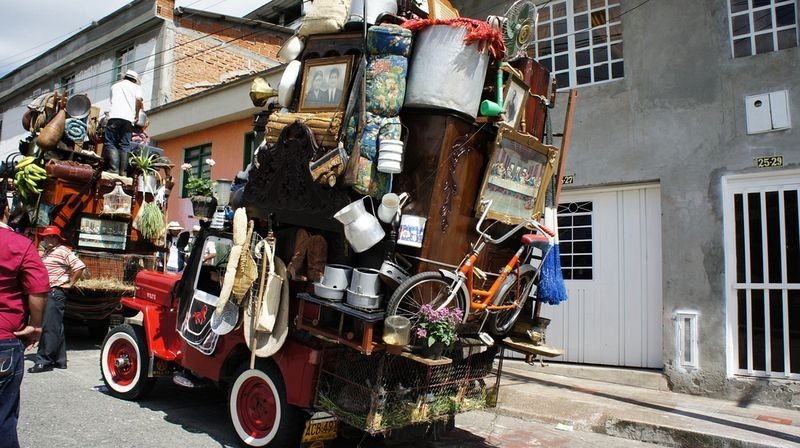
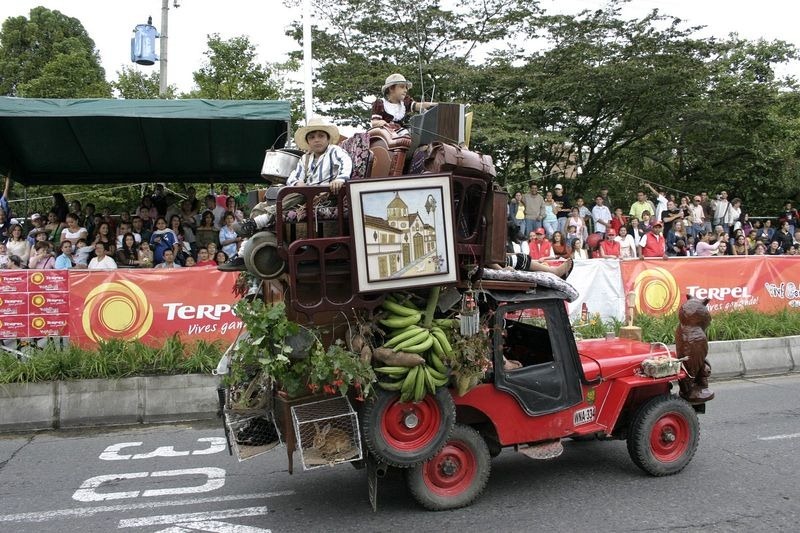
Every vehicle that takes part is loaded to the brim with
everything the locals can get their hands on. A popular way of
loading a Jeep for the parade is with furniture and antiques
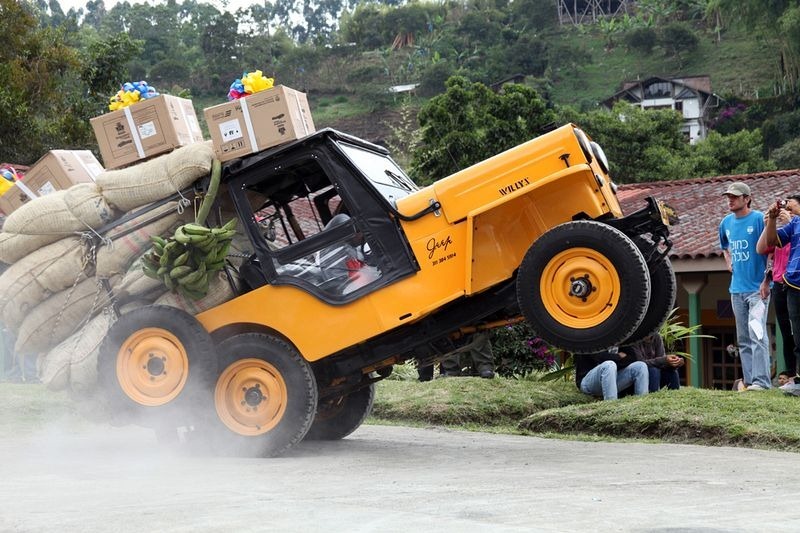
representing all of a family's possessions. The Jeep is loaded with
so much weight that sometimes the front wheels barely touches the
ground.
The vehicles are driven by the main streets of the city and the
Jeeps with the largest amount of objects carried and the most
harmonious arrangements earn prizes.