I've been reading several posts about how "bad" Singapore is and
many would opt for emigration if they have a chance to.
Personally, I think the policies (political, economic or social) in
Singapore do not have that many "push" factors in them. There are
pros and cons everywhere. If we are optimistic, the GST in
Singapore is comparatively low and so is the income tax. We have
decent medical benefits and basic necessities available at
reasonable cost. By reasonable, I mean that 90% of the population
can afford transport, medical, food and housing.
If you think that the same goes to the citizens of the other
developed countries, I'll say it isn't completely true. For
instance, most citizens in Europe actually do not own their own
homes unless they have inheritance from their parents or enough
savings for it. What many average Europeans do is that they pay
rental for their houses/apartments, and if they do not get enough
inheritance or save enough to buy their own property, they actually
have to pay rental all their lives. I mean...can you imagine still
having to pay 400 - 800 Euro rent per month at the age of 75? The
government does not "help" the citizens to plan in life.
Now even if an average working household in Europe is far-sighted
enough to invest in their own homes at a young age, the state's
employment (in)stability is also a factor that may discourage them
from taking the risk. When you lose your job and aren't able to pay
back your bank loan, your bank will automatically sell your house
for you at a highly devalued price. The difference will be added to
your debts.
Of course there are many negative aspects in Singapore. Although
medical is affordable, I still prefer a national health insurance
scheme where it forces citizens to pay for their health insurance
on a monthly basis. So when they meet an accident or fall seriously
ill, they get the necessary medical treatment almost for free. In
that way, they needn't worry about their finances when they fall
ill. I mean, sickness is something everyone will choose NOT to
have, regardless of the cost. So I think every sick patient's
medical cost should be subsidized through a health insurance
scheme. To avoid misuse of the scheme, some European countries make
the citizens bear an extremely small part of the cost whenever they
seek medical help. Rationally, people would choose not to pay for
completely unnecessary reason 
Although basic necessities are within reach to the majority of
Singapore citizens, luxuries are many times harder to achieve in
Singapore than in the western countries. I'm not even talking about
luxuries like houses and automobiles here. The price-for-quality
ridge (gradient) for many products in Singapore is extremely steep.
You may find really cheap products in Singapore but to buy a
product that is of a decent quality (and style), you pay a lot more
in Singapore than you would have to pay in Europe or in the States.
And due to our relatively lower pay and lower exchange rates, we
have a very much lower purchasing power as compared to the other
developed countries. Besides, International companies (I'm not even
talking about designer brands) price their products pretty evenly
worldwide. To put it simply, if a zara trench costs 120Euro in
Europe (other than Spain heh), it'll most probably cost 240SGD in
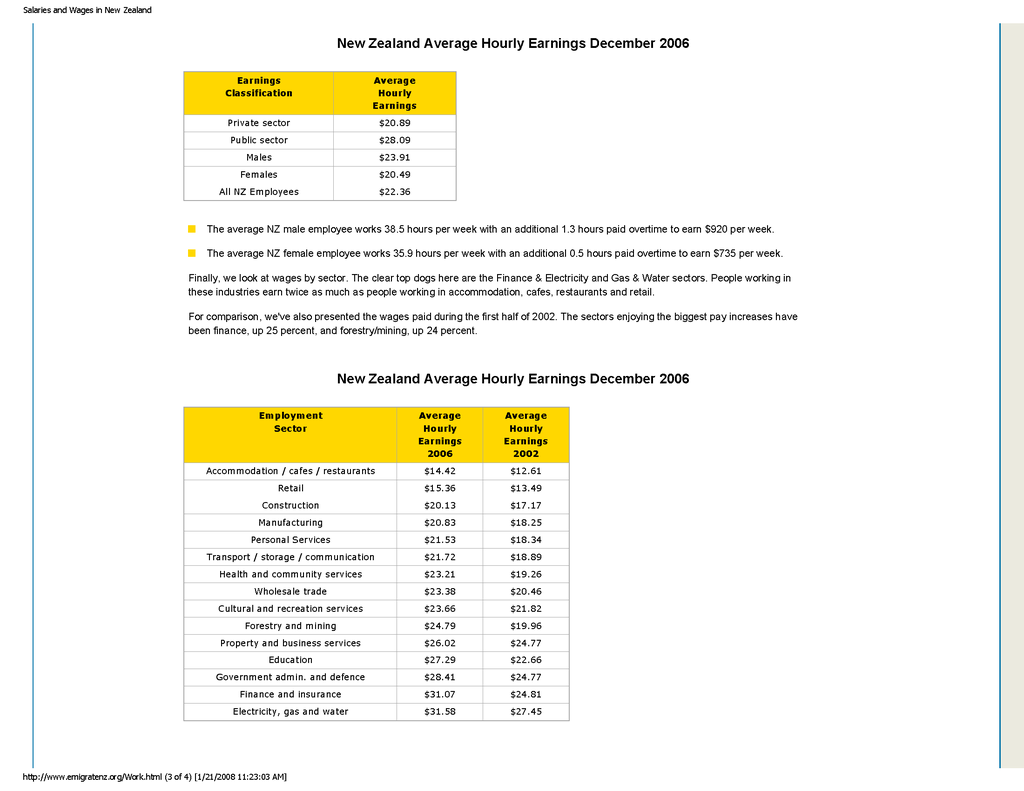
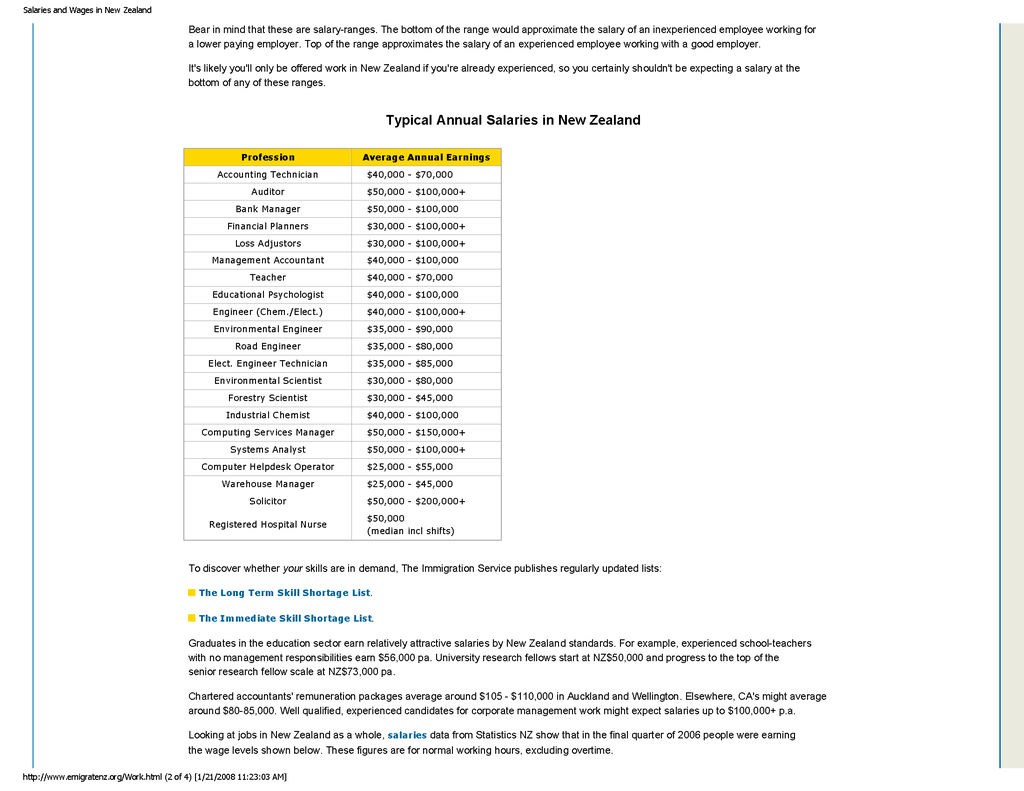
Singapore. However, while an engineer earns 4500SGD in Singapore,
he'll most probably be earning 4500Euro in Europe. (The exchange
rate is about 1Euro to 2.1SGD). Get what I mean? =/
Now, I feel that there are stronger push factors in Singapore
aren't really the social, economic or political reasons. I find it
justified when individuals emigrate to join their family overseas,
for their career, or simply for a change in lifestyle.
Some married abroad or have families abroad. Some careers don't
have a market in Singapore, or are simply just not encouraged here.
And some people may also find the lifestyle in Singapore unsuitable
for them. They also might not be able to excel in a typical
Singaporean workplace/university but they are able to do much
better when working with people of a different mentality and
mindset or studying in a different environment.
Basically, migration is about what you want in life, and which
country can provide the most suitable environment for
you.