PLANT DANGERS
- taken from the Drug &
Poison Information Centre (Singapore) website
Singapore is a tropical country with a large variety of plants. In
fact, the Bukit Timah nature reserve alone is home to more than 840
flowering plants. Plants beautify our homes, adding colour to our
gardens. Many common house and garden plants are nontoxic or
minimally toxic. However, some indoor and outdoor plants can be
poisonous.
Eating a small amount of some plants may not cause any symptoms.
However, eating certain plants can lead to irritation of the mouth,
nausea, vomiting, diarrhoea and stomach cramps. Touching the leaves
or sap of some plants can cause rashes, swelling, and itching of
the skin. A child who attempts to swallow a part of a plant may
choke on it.
If a person has eaten a plant, is pricked by a plant, or develops
skin irritation after touching a plant, STAY CALM, and give DPIC a
call at 6423-9119. Call 995 Emergency Medical Services for an
ambulance if the victim becomes unconscious and/or unresponsive,
develops fits/convulsions, or stops breathing.
First Aid for plant
exposures
For oral exposures, remove any remaining plant parts from the
mouth.
If the victim has vomited a plant part, save the vomitus as it may
allow identification of the plant.
Rinse the mouth with water.
Ice water, ice cream or other cold snacks may help reduce pain and
swelling of the mouth.
For the patient who has been pricked by a plant, or who develops
skin irritation after touching a plant, wash exposed areas with
soap and water as soon as possible.
Remove thorns or prickles if possible. Fine cactus hair can be
removed with scotch-tape.
Common Plants in our
Environment
Chilli
The fruit of the chilli plants contains capsaicin, which can
blister the skin. The vapours emitted can irritate our nose, eyes
and throat.
Chiku
The sap in the leaves and young fruits can cause mild irritation
and diarrhea when ingested.
Jackfruit/Nangka
The fruit is a laxative.
Lime/Lemon/Pomelo
The leaves and the fruits contain oils that can irritate our skin.
Excessive consumption of these fruits can irritate our digestive
system.
Periwinkle
All parts of the plant are poisonous. Vomiting and diarrhea may
occur once it is ingested.
Pong Pong
The seeds of this plant are extremely toxic. Symptoms include
abdominal pain, vomiting, diarrhea, nausea, giddiness, dizziness,
decreased heart rate, oral pain and palpitations. Irritation of the
eyes can also occur if contact is made with the sap of the tree.
Dryness and tingling sensations can occur with ingestion of
leaves.
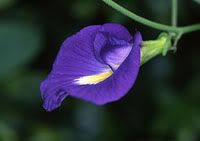
Periwinkle (I think)

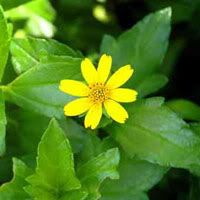
Unknown flower?
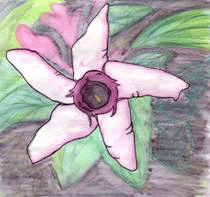
Mimosa (Touch-Me-Not)
Seeds of this plants contain chemicals that can cause acute kidney
failure and blockage of the urine if taken in substantial
amounts.
Elephant ears, Mother-in-Law's tongue, Philodendron
These are ornamental plants that contain calcium oxalate crystals.
These crystals can cause pain and swelling if they come in contact
with the skin or mouth.
Orleander, Dessert Rose, Lilly-of-the-Valley
These are ornamental plants that contain a medication called
digoxin. Eating these plants can cause nausea, vomiting, dizziness,
drowsiness and a rapid heart rate.
Oleander

(Picture courtesy of Cornell
University)
Lily-of-the-Valley

(Picture courtesy of Cornell
University)